


Experts discussed integrating arts and culture into health and social care systems at an EU event in Brussels
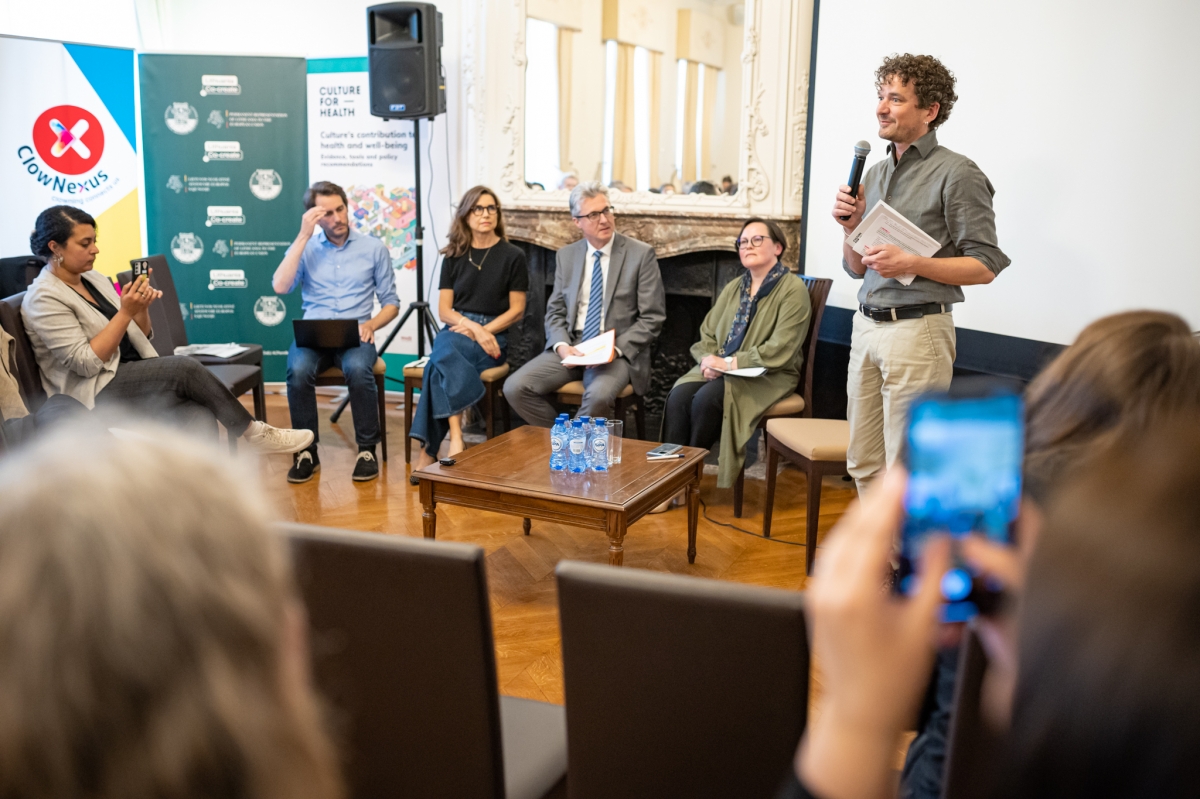
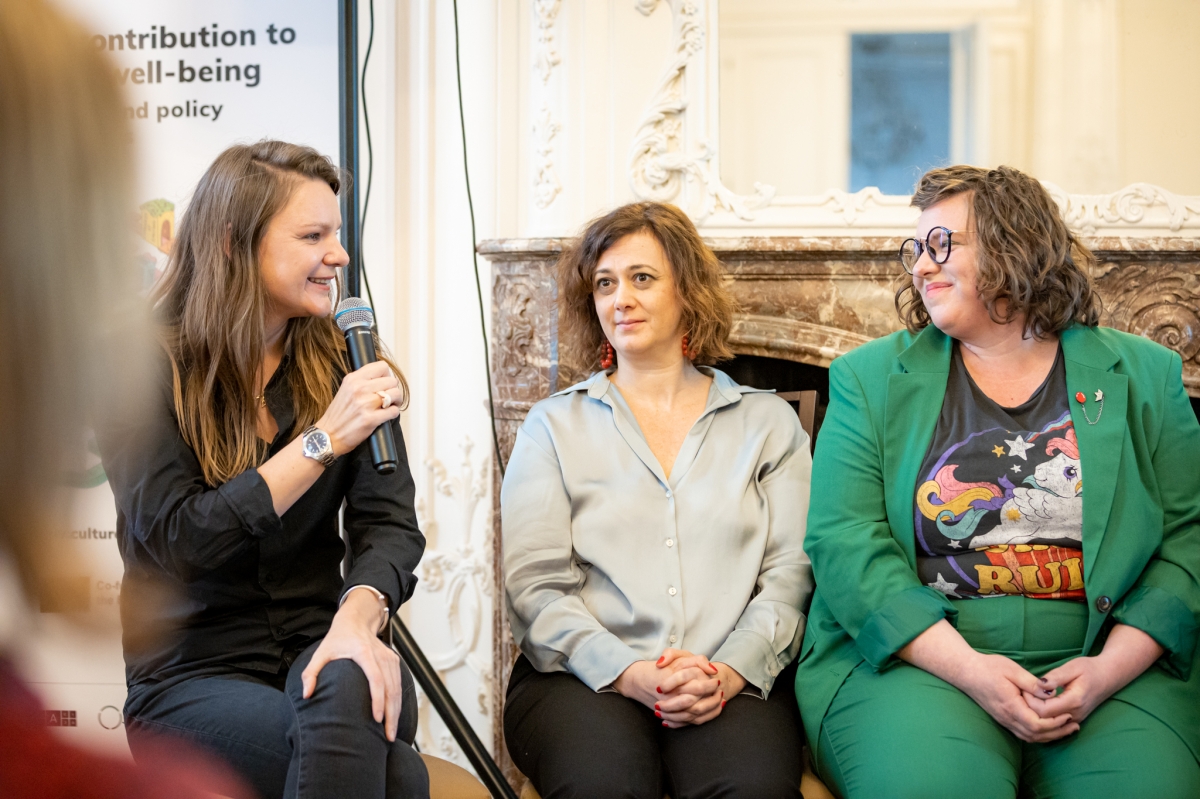
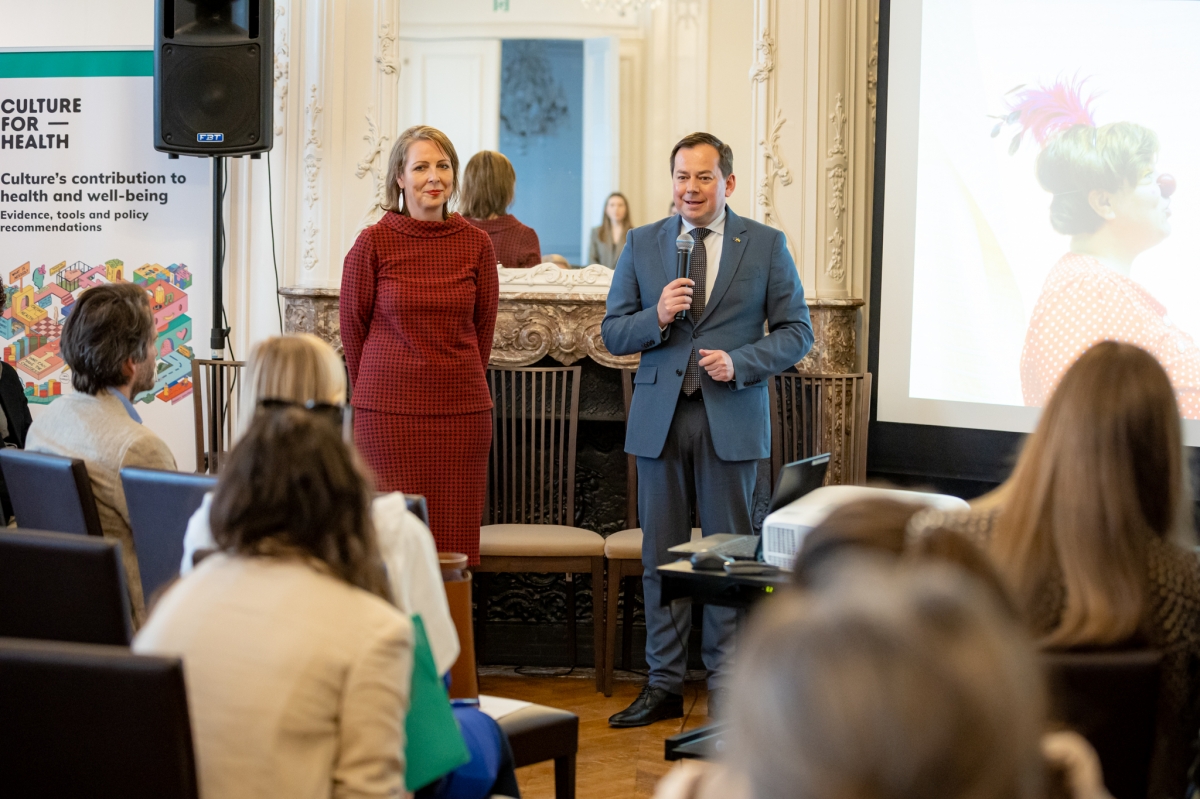
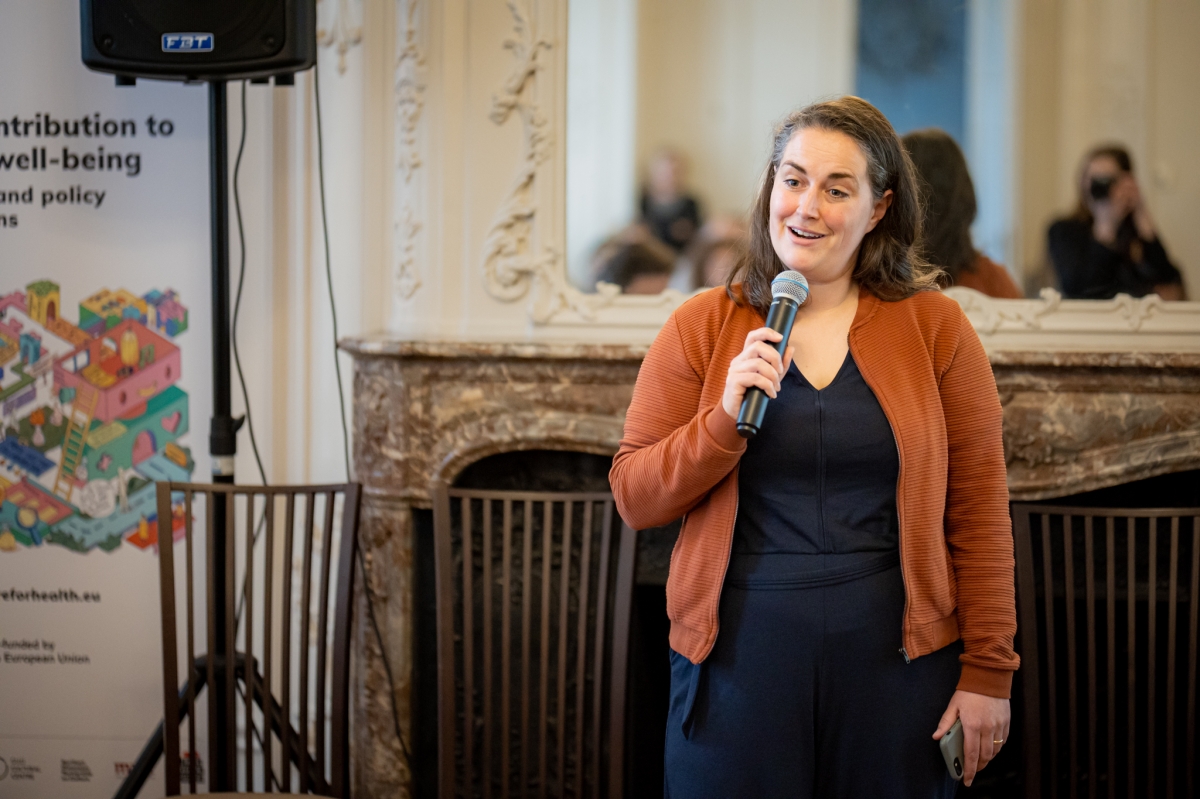
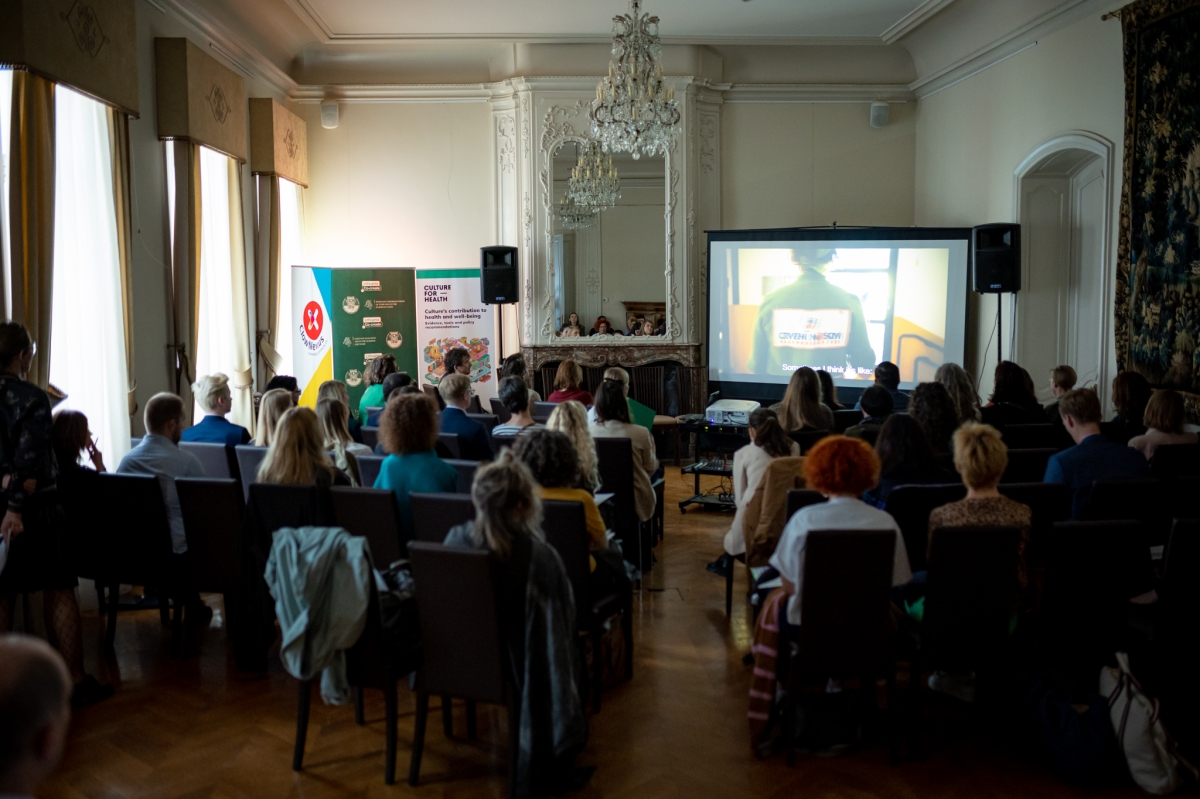
On 23 May, the Permanent Representation of Lithuania to the European Union, Culture Action Europe and the international organisation RED NOSES organised an event "Culture and Mental Health - Practice and Policy" at the Permanent Representation of Lithuania to the European Union in Brussels.
The event, which attracted an audience of over 100 people, was part of the EU's CultureForHealth and Clowning Connects Us projects, and showed how art and culture contribute to health and well-being, and discussed how these approaches can be integrated into health and social care systems.
The event started with a welcoming speech by H.E. Arnoldas Pranckevičius, Ambassador and Permanent Representative of Lithuania to the EU, followed by a screening of the NARA documentary film by Lithuanian filmmakers, produced within the framework of the "Clowning Connects Us" project. The film captures moments of connection between clown performers and their audience, including elderly people with dementia and children with autism.
Indrė Juodikė, director of the international project CREATIVE HOME(less), presented how a minimal budget collaboration with a visual arts therapist gave the residents of a homeless shelter hope and encouraged them to take transformative, life-changing action. Roma Survilienė, Head of the Centre for Competence Development and Cultural Education at the National Library of Lithuania, presented Lithuanian case studies on the benefits of cultural activities for mental health.
The event ended with a policy discussion with decision-makers from the EU institutions in the fields of health, social and culture. Dr Nils Fietje, from the Behavioural and Cultural Insights Unit of the WHO Regional Office for Europe, took part in the discussion. He examined the evidence of culture's contribution to health, in particular its impact on mental health, and encouraged a shift from individual project implementation to a policy-based approach to the impact of culture on health.
Pernille Weiss, Member of the European Parliament, Member of the Committee on the Environment, Public Health and Food Safety, discussed how the European Parliament and the Committee on the Environment, Public Health and Food Safety can raise awareness of the impact of the arts on health, and what strategies can be used to improve the knowledge of health policy makers in this area.
Mr Georg Haeusler, Director of the European Commission's Directorate-General for Education, Youth, Sport and Culture, spoke about whether the impact of culture on health is being promoted at EU level and what the European Commission can do.
Roma Survilienė, Head of the Centre for Competence Development and Cultural Education at the National Library of Lithuania, recommended improving cooperation, securing funding, promoting research-based practices and advocating for political support to increase the contribution of culture to health and well-being, building on her project "Art for Human Well-being".
The debate was moderated by Lars Ebert, Secretary General of Culture Action Europe. The project was funded by the Creative Europe Programme of the European Union, the Austrian Federal Ministry, the Permanent Representation of Lithuania to the European Union and the Lithuanian Culture Institute.
Our social media accounts in English


